Sistemas de procesamiento de proteínas y vegetales de origen vegetal
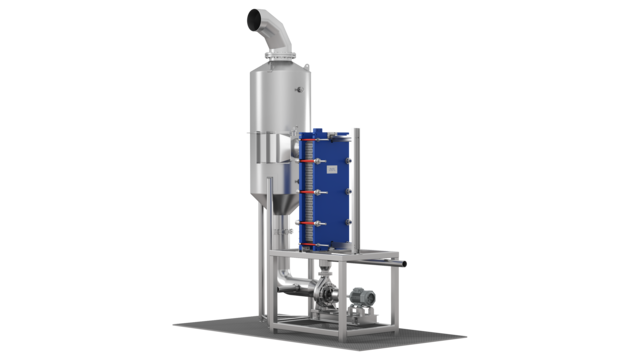
La creciente demanda de proteínas alternativas exige procesos fiables de fraccionamiento en húmedo que aumenten la pureza, el valor nutricional y el rendimiento de los aislados de proteínas al tiempo que reducen el consumo de energía y de agua. Los sistemas sostenibles de procesamiento de proteínas a base de plantas de Alfa Laval ofrecen un rendimiento fiable y reducen el impacto ambiental al tiempo que garantizan la estabilidad, apariencia, textura, sabor y valor nutricional de las proteínas.

Aumentar la calidad y el rendimiento de los alimentos y bebidas con proteínas de origen vegetal
- Aprovechamiento completo de la materia prima
- Altos estándares de higiene
- Alta pureza, alta calidad y alto rendimiento.
- Bajo consumo de energía y de agua
- Consumo de agua dulce e impacto ambiental minimizados
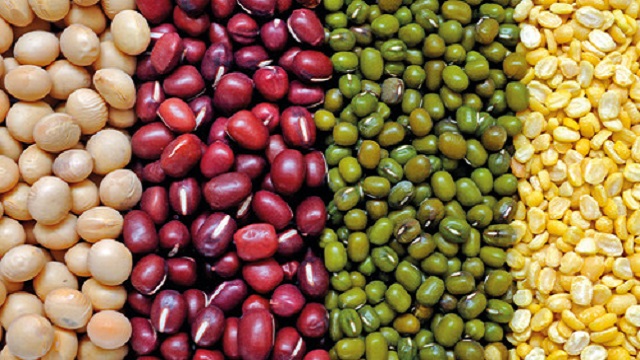
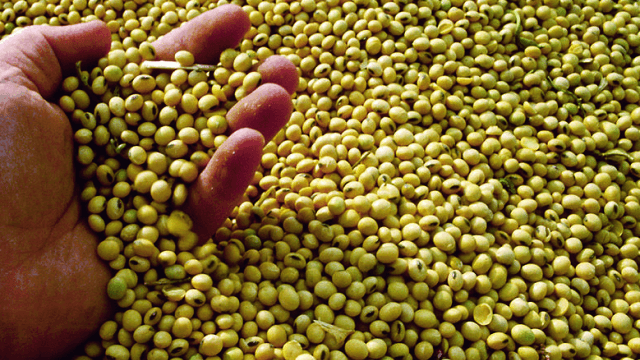
Convertir cultivos de semillas oleaginosas, como soja, colza y girasol, y cultivos de almidón, incluidos guisantes, garbanzos, habas y frijoles mungo, en proteínas de alta calidad para alimentos y piensos requiere conocimientos técnicos.
Aproveche las soluciones integrales y energéticamente eficientes para los sistemas de procesamiento de proteínas de origen vegetal de Alfa Laval. Desde la extracción, aislamiento y purificación de proteínas de almidón y semillas oleaginosas hasta la recuperación de agua de proceso y el tratamiento de aguas residuales, descubrirá un enfoque sólido y sostenible para satisfacer la creciente demanda mundial de sustitutos de la carne.
Los fabricantes de alimentos lácteos y bebidas recurren a Alfa Laval en busca de experiencia, servicio y apoyo para desarrollar, probar y optimizar los sistemas de procesamiento de proteínas vegetales para garantizar un rápido aumento de la producción a escala piloto a la comercial.
Broad vegetable processing systems portfolio for plant-based proteins
Alfa Laval offers a comprehensive range of vegetable processing systems for plant-based proteins, focusing on wet fractionation for extraction, isolation, purification and by-product recovery. Whether you need a reliable stand-alone protein system or a complete production line, we support oilseed and starch crop protein manufacturing with modular, customized solutions, including:
- Slurry preparation
- Protein extraction, separation, and purification
- Pasteurization systems
- Fibre and starch separation and purification
- By-product recovery
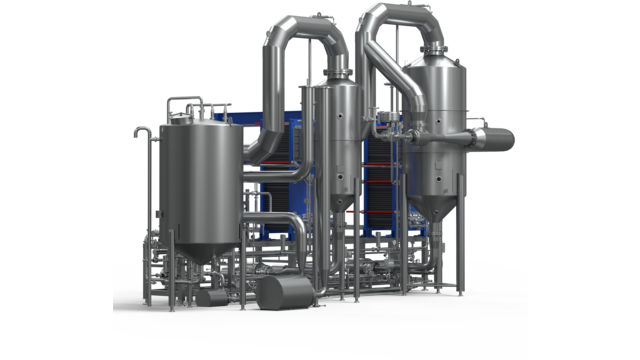
- Wastewater treatment and water recovery
Alfa Laval oilseed processing systems
-
Solubilization. The first step is mixing a lye solution with oilseed white flakes, increasing the resulting slurry’s pH value to make the protein soluble.
-
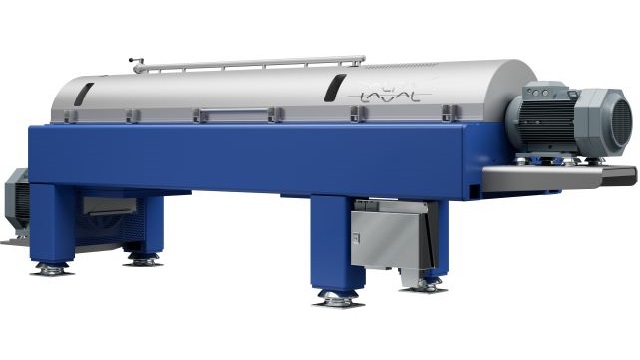
Protein extraction. Next, the slurry is processed in an extraction decanter to separate the solubilized protein from the solids (fibre).
-
Second extraction. The solid cake is then washed with water to release additional protein not extracted during the initial solubilization. A second extraction decanter then separates the resulting slurry into the solids (fibre) and liquid. The solids from this stage can be sent to a dryer or to a biogas plant.
-
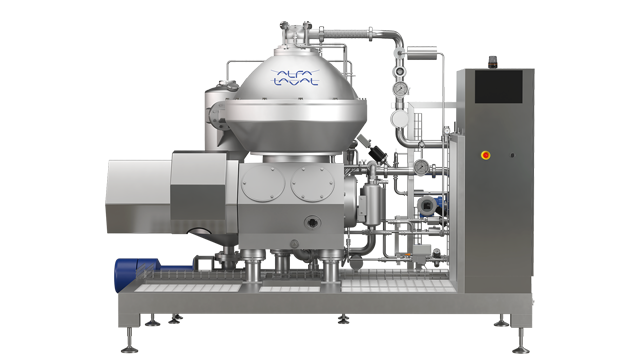
Protein precipitation. The liquid collected from both extraction steps is processed to lower its pH value to the protein’s isoelectric point, causing the protein to precipitate. The precipitated protein slurry is then fed into a protein decanter, which separates the precipitate from the liquid.
-
Protein washing. In the last step, the protein is washed with water to increase purity. This results in a protein product with higher purity and better organoleptic properties. However, omit this step if a high-purity protein product is not required.
Alfa Laval starch crop processing systems
-
Solubilization. The first step is mixing a lye solution with flour to make the protein soluble by increasing the pH value of the resulting slurry.
-
Protein extraction. Next, the slurry is processed in an extraction decanter to separate the solubilized protein from the solids, consisting of starch and fibres.
-
Fibre removal. Rotational fibre screens filter the solids, removing fibres from the starch. Wet fibres can then be sent to another decanter for further dewatering before drying, or it may be directed for use in biogas or bioethanol production.
-
Concentration and starch washing. The diluted starch milk is concentrated and transferred to a hydrocyclone starch-washing system. Washing refines the starch milk, which can then be dried into starch powder or used for bioethanol production or syrup production.
-
Protein precipitation. The liquid collected from the extraction step (2) is processed to lower its pH to the protein's isoelectric point, causing the protein to precipitate from the liquid. The precipitated protein slurry then enters a protein decanter, which separates the protein precipitate from the liquid.
-
Protein washing. In the last step, the protein is washed with water to increase its purity. This results in a protein product with higher purity and better organoleptic properties. However, this step may be omitted if a high-purity protein product is not required.
Optimizing plant-based protein processing systems
Leverage Alfa Laval’s expertise in designing plants for the fractionation of agricultural products. Test your feedstocks under actual operating conditions at the Alfa Laval Food & Water Test Centre in Denmark, to determine the optimal system for your processing needs.